
My Grounded Heel-Pain Review
My Grounded Verdict for the Plantar-Fasciitis Shoe Debate
I separated the support-versus-strengthening debate from the sales claims and focused on toe room, transition risk, underfoot feel, and the return window.


Affiliate disclosure: We may earn a commission if you purchase through our link, at no extra cost to you.
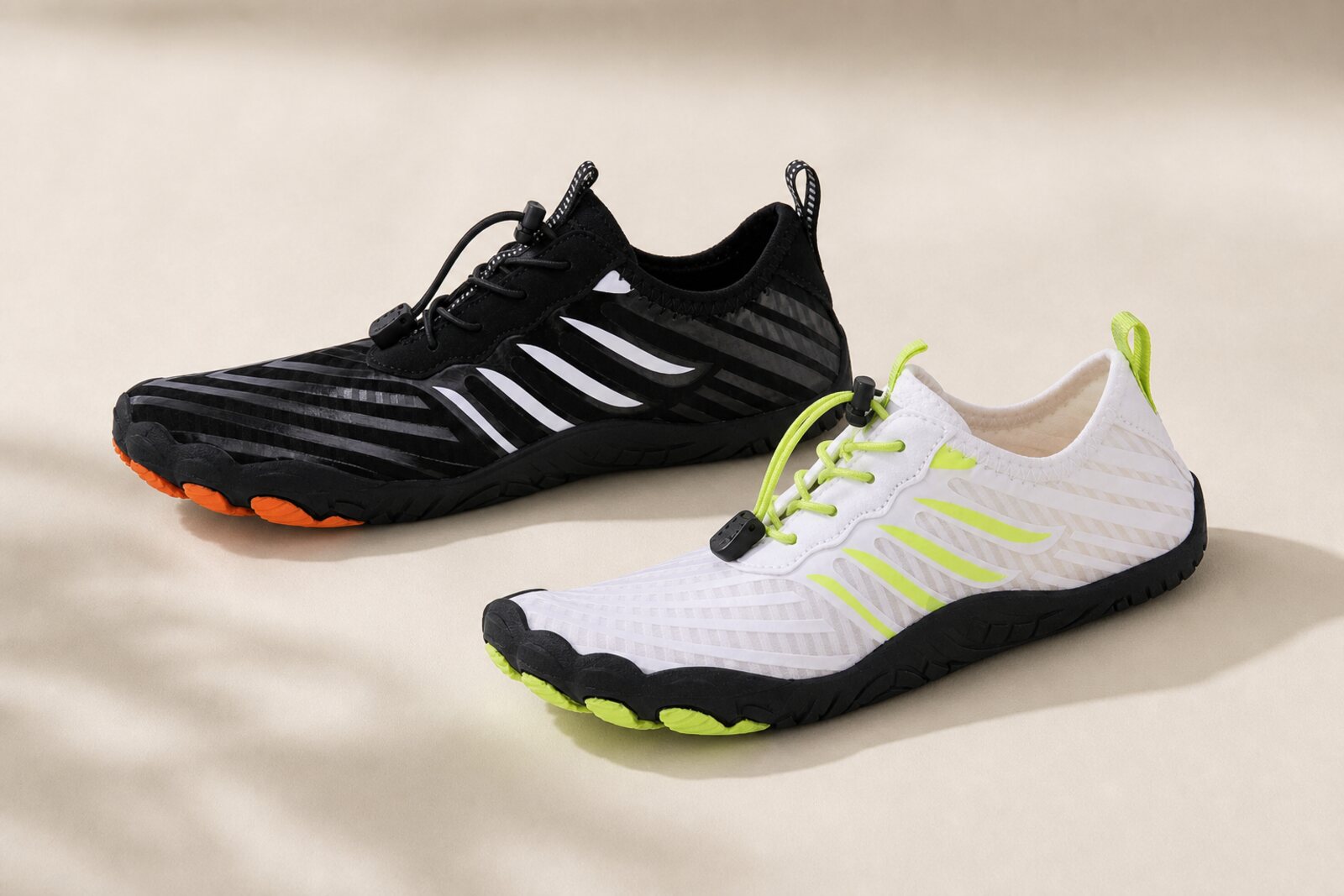
My Grounded Heel-Pain Review
This Is a Strengthening-Route Shoe, Not a Cure
Plantar-fasciitis footwear advice splits into two approaches: add cushioning and structure while the tissue calms down, or gradually rebuild foot function in a wider, flatter, more flexible shoe. Grounded belongs to the second approach.
The Freedom is a comparatively forgiving way to explore that route because its foot-shaped toe box and flexible platform still include a modest removable insole. The 90-day guarantee also gives a buyer more time than a quick try-on to judge a gradual transition.
No shoe cures plantar fasciitis, and switching to minimal footwear too quickly can aggravate an already painful foot. Acute, worsening, or persistent pain belongs with a podiatrist or physical therapist; their guidance outranks this comparison.
Why I Tried Them
The Real Problem Wasn't Walking. It Was What My Shoes Felt Like After a Few Hours.
Most people do not start shopping for barefoot shoes because they suddenly want an extreme minimalist lifestyle. They start because the shoes they already own feel increasingly wrong. The front narrows just where the foot gets widest. A thick sole can feel stable in the store but heavy after an afternoon of errands. By dinner, the toes feel crowded and the first instinct is to kick the shoes off.
That was the situation I wanted this review to answer. Could a foot-shaped shoe make ordinary walking feel less restrictive without looking strange, feeling flimsy, or forcing a painful transition? And because Grounded is sold online, could a buyer make the fit decision without feeling trapped if the first size was wrong?
The Freedom caught my attention because it sits between two extremes. It is wider and more flexible than a conventional walking sneaker, but it still has a removable insole and enough underfoot material to feel approachable. It looks like a casual everyday shoe rather than water footwear or a technical trail shoe. For someone curious about natural movement but not interested in walking on a paper-thin sole, that middle ground matters.
I also paid attention to the things a product page tends to rush past: whether the toggle laces actually hold, whether the upper wrinkles or rubs, how much the shoe changes the way the calves work, how dirty the lighter colors get, and what current owners say after the honeymoon period. Those details are what separate an exciting unboxing from a pair that stays in rotation.
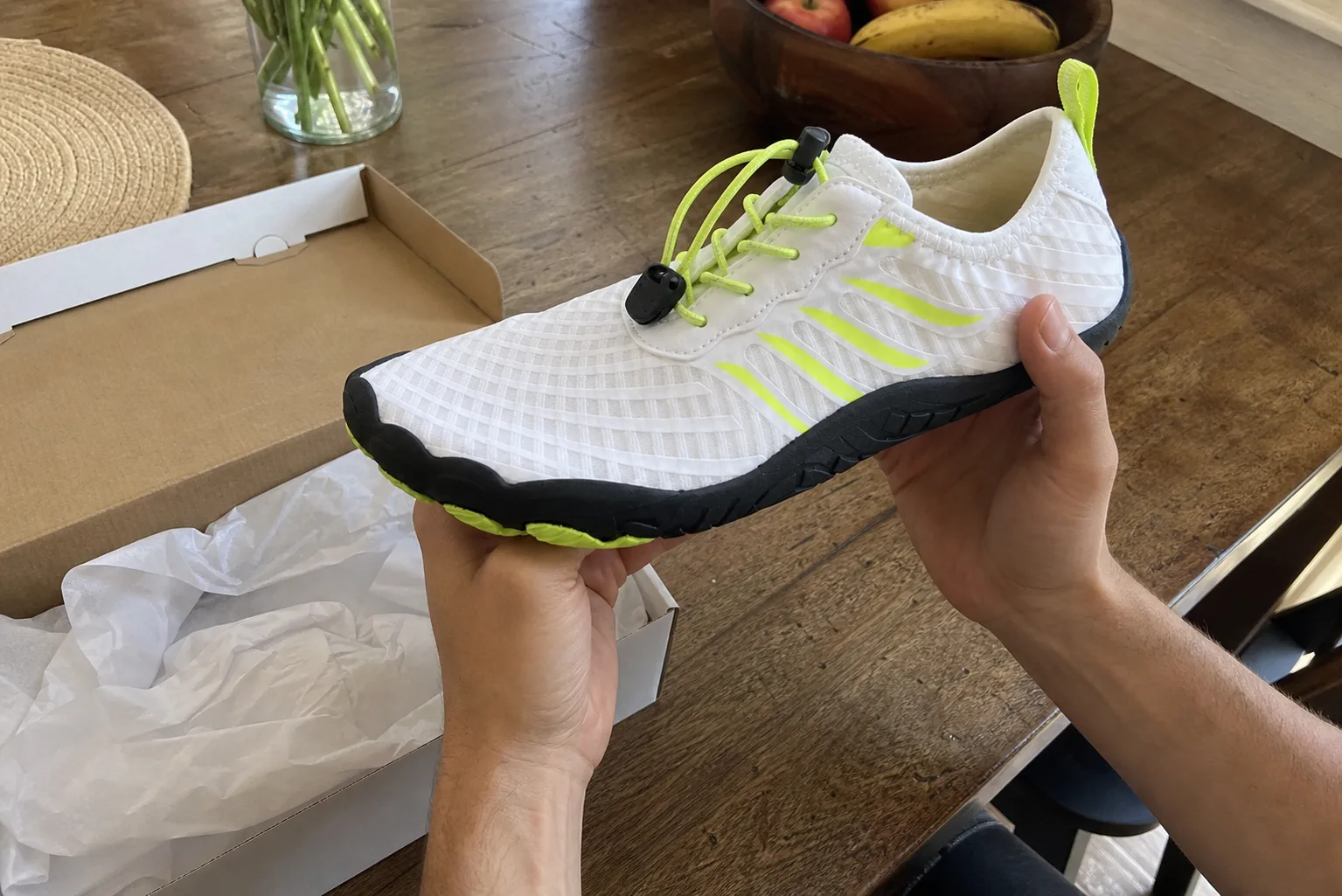
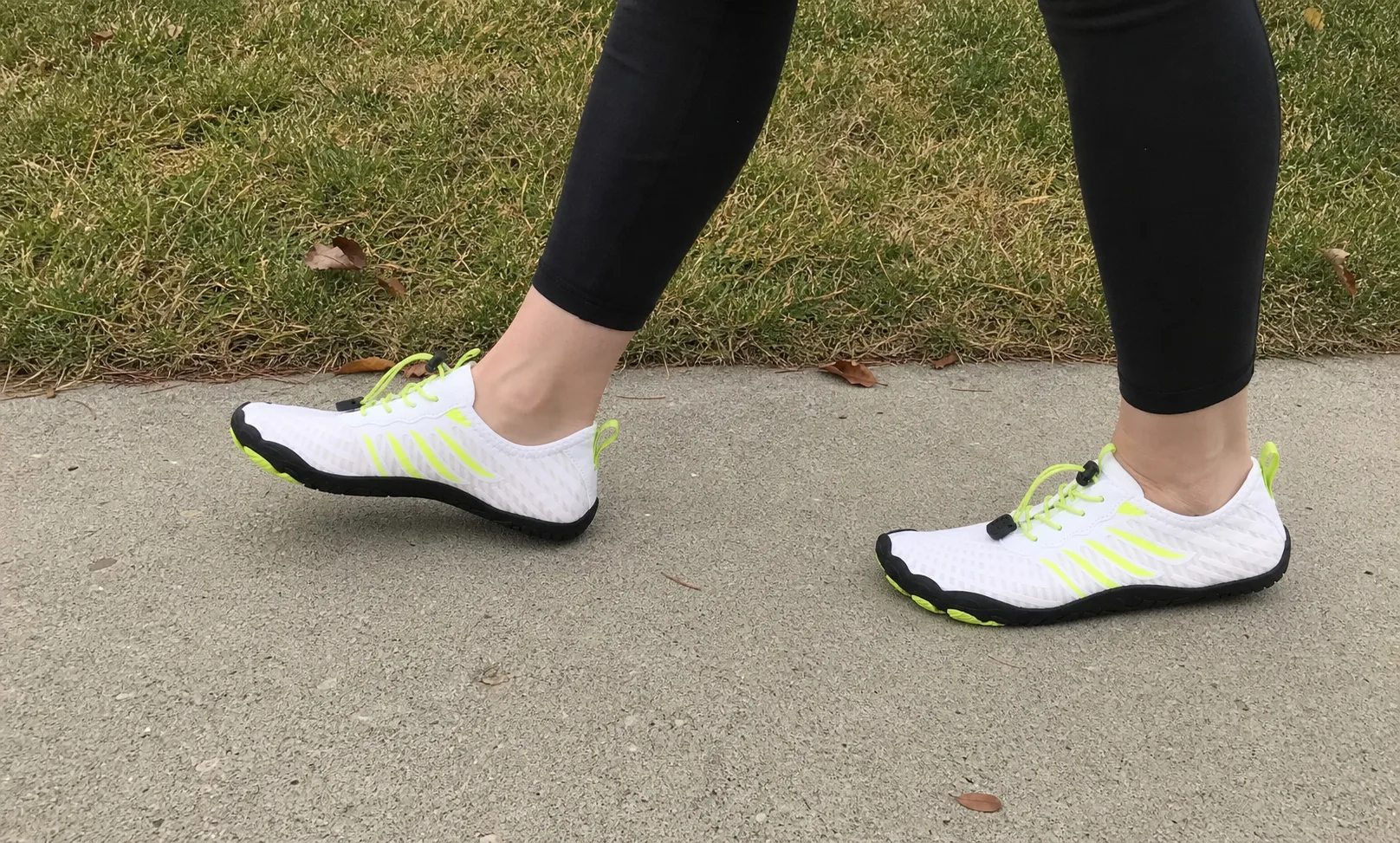
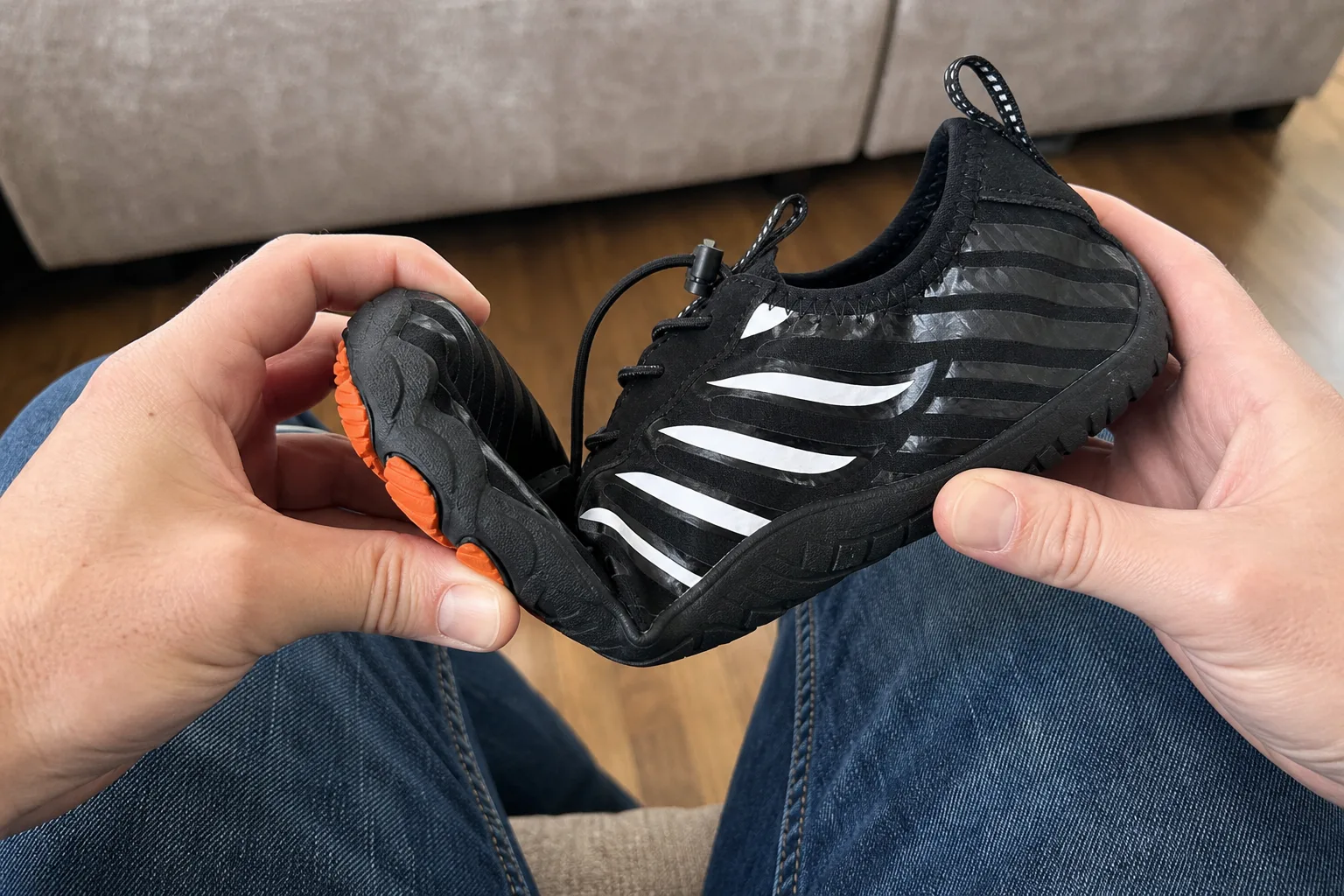
Phone Photos From My Test
What the Shoes Looked Like in Ordinary Use
Key Findings at a Glance
- Room where it matters: the toe box lets the toes spread instead of squeezing them into a taper.
- Gentler barefoot transition: a modest insole softens the jump from ordinary padded sneakers.
- Easy everyday feel: the upper is light and the sole flexes naturally while walking.
- Low-risk fit check: 90-Day Guarantee and Free Size Exchanges are the real reasons I would order direct.
- Not built for everything: I would not choose it for rugged trails or heavy-duty industrial work.
The 30-Day Wear Diary
What Changed From the First Wear to the End of the Month
The shape is the first thing you notice
The front of the Freedom does not squeeze inward like a typical fashion sneaker. My toes could sit flatter and spread more naturally. The toggle closure made it easy to secure the midfoot without over-tightening the forefoot. The zero-drop stance was noticeable, but the insole kept the first wear from feeling harsh.
Short walks exposed the transition
I began with neighborhood walks and errands instead of wearing them from breakfast to bedtime. The flexible sole let the foot bend and the calves work more than they do in a stiff, raised-heel shoe. That felt freeing, but it also confirmed that “comfortable immediately” should not be confused with “wear them all day immediately.”
Everyday use became the strongest case
The shoe was at its best during grocery runs, travel, cooking, and casual walks—the situations where light weight and toe room matter more than aggressive traction. It was easy to pack, quick to put on, and visually ordinary enough that I did not have to plan an outfit around it.
The tradeoff was clear
I preferred the Freedom to a bulky sneaker for normal daily movement. I would still choose a purpose-built shoe for rocky trails, hard lateral sports, or heavy work. The Freedom wins by being an approachable everyday barefoot shoe, not by pretending to replace every shoe in the closet.
Why It Feels Different
Four Small Design Choices Change the Whole Walking Experience
There is no mystery feature doing all the work. The Freedom feels different because several ordinary design choices work together. None of them guarantees a medical outcome, but each addresses a familiar complaint about conventional shoes.
A foot-shaped toe box
The forefoot follows the natural fan of the toes instead of forcing them toward a point. That creates room for wider feet, bunions, swelling, or anyone tired of the little toe pressing against the upper.
A level, zero-drop platform
The heel and forefoot sit at roughly the same height. That removes the elevated-heel posture found in many sneakers and asks the foot and lower leg to work in a more natural position.
A sole that bends with the foot
Instead of using a rigid rocker to roll the body forward, the forefoot flexes as you step. The result is more ground awareness and less of the “shoe moving the foot” sensation.
A light upper with a modest insole
The upper keeps bulk down while the removable insole adds a little forgiveness. That combination makes the Freedom less intimidating than the thinnest barefoot options for a first-time buyer.
My mid-review take: if toe room and a gentler barefoot transition are the priorities, the current direct offer is worth checking while your size is available.
Check Current Sizes & Get 50% OffWhat I Liked Most
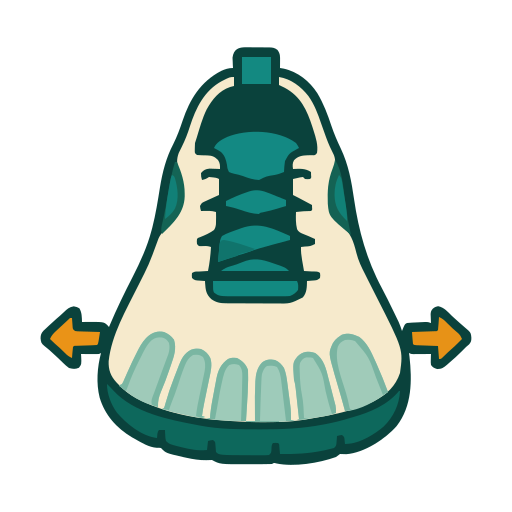
Natural Toe Room
It feels immediately less restrictive than a pointed everyday sneaker.
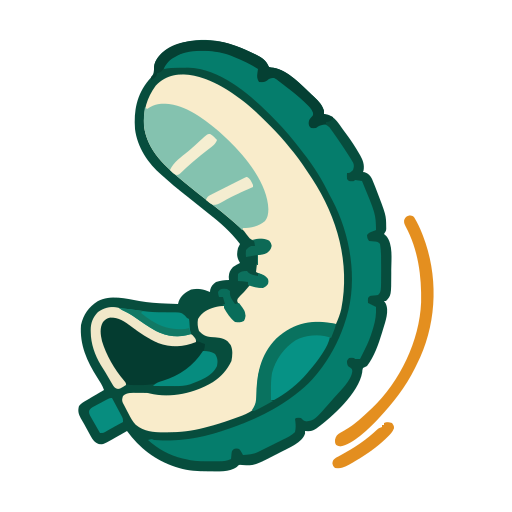
Flexible Ride
The sole bends with the foot instead of fighting every step.
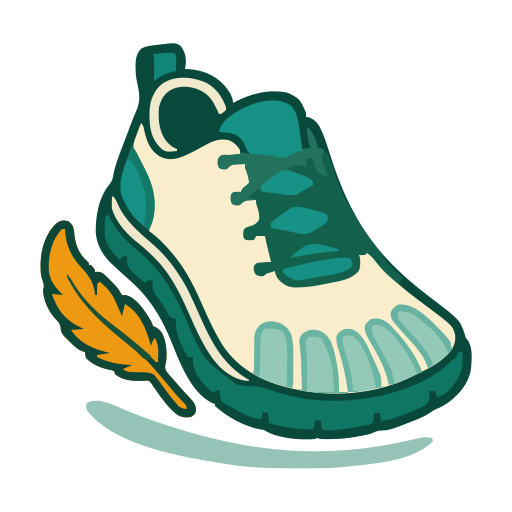
Almost-Weightless Upper
It works for errands, travel, and long casual days without feeling bulky.

Practical Buyer Protection
Free size exchanges matter when the fit is different from standard shoes.
What Could Be Better
- The fit still takes adjustment. Zero-drop geometry can make the calves and feet work differently at first.
- Durability feedback is mixed. Some independent reviewers report upper or seam wear, so this is not my rugged-use pick.
- Model sizing is inconsistent. The Freedom has the roomiest reputation; do not assume every Grounded model fits identically.
- Shipping and return experiences vary. Check the current delivery estimate and exact return terms before paying.
What Owners Say After Buying
The Positive and Critical Reviews Point to the Same Buying Decision
I reviewed both favorable and unfavorable current owner feedback rather than relying on the large rating shown by the merchant. The encouraging pattern is consistent: many buyers talk about immediate toe room, lighter walking, a comfortable fit after a short adjustment, helpful support interactions, and buying another pair once they know their size.
The critical pattern is just as useful. Some owners describe confusing model-to-model sizing, delivery estimates that felt longer than expected, fabric or seam wear, and more effort than they wanted during a return or refund. Those complaints do not make the Freedom the wrong shoe for everyone. They tell you how to buy it intelligently: choose the specific Freedom size from its own guide, treat it as an everyday shoe rather than rugged equipment, and read the current return conditions before checkout.
The model distinction is especially important. One recurring complaint is assuming every Grounded shoe has the same wide fit. The Freedom is the roomier model being reviewed here. A good experience with its toe box does not automatically describe every other style the company sells.
Construction and Care Notes
Light Materials Are Part of the Appeal—and the Limitation
The Freedom keeps its weight down with a soft upper, flexible sole, and relatively simple closure. That is why it bends easily, packs without taking over a bag, and feels less bulky through a long casual day. The same construction is also why I would not compare it with a leather walking shoe or reinforced trail runner for abrasion resistance.
Before wearing a new pair outside, I would check the toe flex area, side seams, sole edge, and toggle attachment under good light. The shoe should flex cleanly without a visible gap or an upper that pulls unevenly. Catching a construction problem during an indoor inspection is much easier than trying to explain it after several outdoor wears.
Lighter colors naturally show dirt sooner. A soft brush or damp cloth is the sensible first response; harsh heat can distort flexible materials and aggressive machine cycles can shorten the life of adhesives. Let the pair air dry completely before wearing it again. If daily use leaves it damp, rotating with another pair is more realistic than expecting one lightweight shoe to absorb every mile.
Best Match
Who I Would Recommend It To
- Someone whose toes feel crowded in tapered sneakers
- A first-time barefoot buyer who wants a forgiving entry point
- An everyday walker who values light weight over rugged structure
- A traveler or errand-runner who wants an easy, packable shoe
- A buyer willing to transition gradually and check the size guide
Wrong Tool
Who Should Choose Something Else
- A trail runner who needs aggressive grip and rock protection
- A worker who needs a certified protective or safety shoe
- An athlete who needs strong lateral containment
- Someone who wants thick cushioning and a raised heel
- A buyer unwilling to manage the normal online sizing process
Before You Order
My Fit and Transition Checklist
- Measure instead of guessing. Compare both feet with the Freedom's current size chart and use the larger foot. Do not automatically reorder the number printed inside a conventional sneaker.
- Leave useful toe space. The shoe should let the toes spread without the heel sliding or the upper folding excessively. Wide should feel free, not loose everywhere.
- Start with short, ordinary wear. Alternate with familiar shoes during the first week. Increase time gradually if the feet or calves feel unusually worked.
- Inspect the pair indoors. Confirm size, seams, closure, and comfort on a clean surface while the exchange option is still useful.
- Save the order details. Keep the confirmation and current policy terms until you know the fit is right.
Questions I Would Ask Before Buying
Grounded Freedom FAQ
Does it feel like walking barefoot?
It gives more toe freedom, flexibility, and ground awareness than a conventional sneaker, but the insole and outsole still sit between the foot and the ground. I would call it barefoot-style rather than identical to walking without shoes.
Can I wear it all day immediately?
I would not make that the plan. Even when the shoe feels comfortable, zero-drop geometry and added flexibility can make the feet and calves work differently. Begin with shorter walks and normal errands, then build up.
Is the Freedom good for wide feet or bunions?
The wide, foot-shaped front is one of its strongest features and may feel less restrictive than a tapered sneaker. Fit remains individual, so use the exact model chart and the direct-store exchange terms rather than assuming width alone guarantees comfort.
How durable is it?
The construction suits casual walking and everyday use. Independent durability feedback is mixed, especially for uppers and seams, so I would not buy it as a rugged trail or heavy-duty work shoe.
Where would I buy it?
I would use the reviewed Grounded offer route linked on this page so the product, current discount, guarantee, and size-exchange language match what I evaluated.
Pros
- Wide, foot-shaped toe box
- Lightweight and flexible
- Easy toggle-lace fit
- 90-Day Guarantee
- Free Size Exchanges
Cons
- Not intended for rugged terrain
- Minimalist feel needs a transition
- Popular sizes may sell out
- Direct-to-consumer ordering only
My Final Verdict
A Strong First Barefoot Shoe for Everyday Walking
The Grounded Freedom makes the most sense for a first-time barefoot buyer who wants a roomy toe box, an easy everyday look, and a less abrupt transition from conventional sneakers. It is not the toughest or most minimal shoe in the category. For ordinary walking, errands, travel, and long casual days, that tradeoff is exactly why it earns my top pick.
90-Day Guarantee · Free Size Exchanges · Popular sizes can sell out during promotional pricing
How I Reviewed It
I evaluated daily comfort, toe-box room, flexibility, on-foot stability, construction, sizing, offer terms, and buyer feedback. I also compared the category alternatives and reviewed current positive and negative owner reports. Individual comfort results vary, and this review is not medical advice.
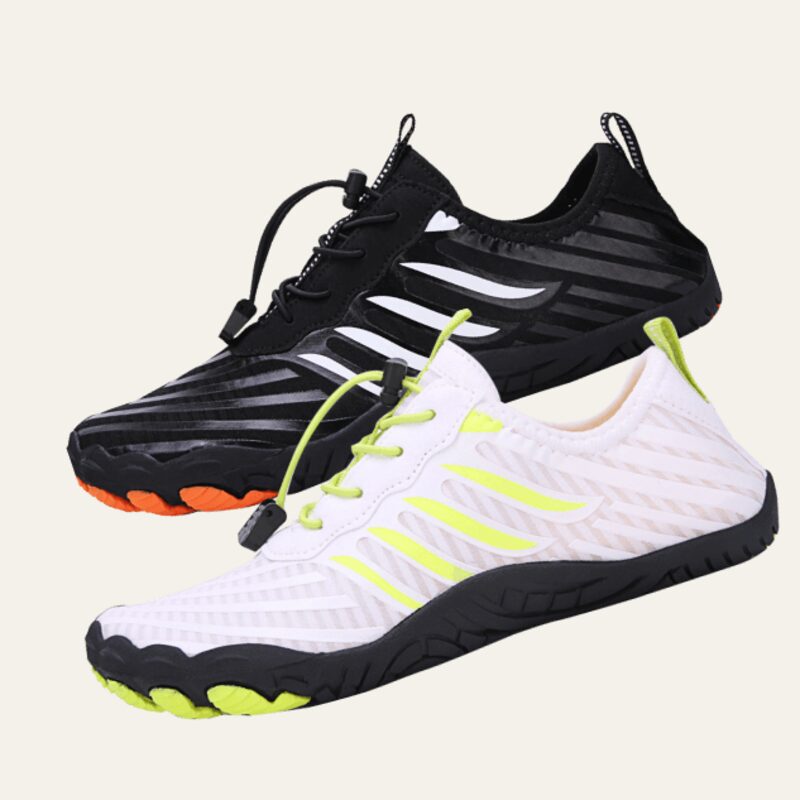
 Free Size ExchangesUse the official size guide first